
Browse Sub-Categories


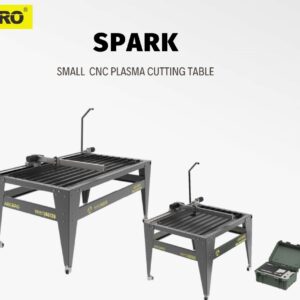
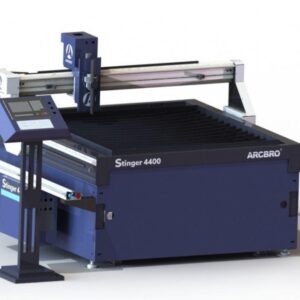
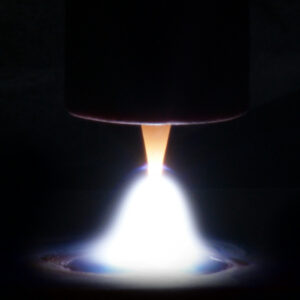
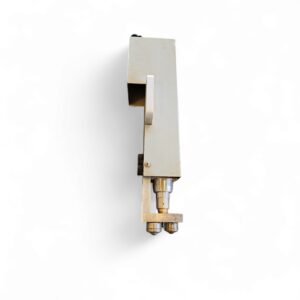
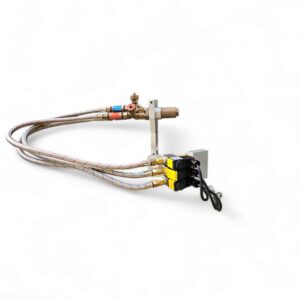
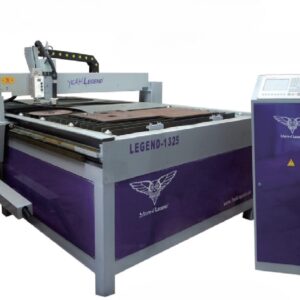
CNC Profile cutters are advanced machine systems using computer numerical control (CNC) to automate profile cutting. Widely used in industrial fabrication, manufacturing, and workshops where accuracy, efficiency and repeatability are critical.
The combination of a plasma cutting or laser power source, and precision computer-controlled automation opens production capability to complex designs, high volume parts, and consistent production on a wide range of materials, reducing the need for further processing and finishing.
Why choose CNC cutting machine from Weld i.t.?
At Weld I.T., we don’t just supply cutting machines, we provide complete solutions tailored to your business and cutting requirements. When you choose a CNC cutting system from us, you’re investing in quality, reliability, and access to our expert support that helps your workshop or fabrication business run more efficiently.
Frequently Asked Questions
What materials can be cut with a CNC cutting machine?
CNC plasma cutting machine you can elevate all the benefits of plasma cutting with the efficiency and accuracy that only automation can provide.
CNC Laser cutting can process more than just metals. The use of a high-powered laser burns through the material with even greater precision and speed. As well as metals, plastics, wood, and composite materials can be cut.
Mild Steel
Commonly used in construction and manufacturing, mild steel is easily cut with CNC machines, providing clean and precise edges.
Stainless Steel
Known for its corrosion resistance and strength, stainless steel is often used in the food, medical, and automotive industries.
Aluminium
Lightweight and durable, aluminium is used in aerospace, automotive, and packaging industries. CNC can cut aluminium with high speeds and accuracy.
Copper
Used in plumbing and electrical industries, copper can be cut efficiently with CNC machines.
Brass
Often used in decorative applications and fittings, brass can be precisely cut with CNC technology, resulting in minimal waste.
Plastics
Various types of plastics, including acrylic, polycarbonate, and PVC, can be cut with CNC machines, making them suitable for signage, prototypes, and more.
Wood
CNC machines can also cut different types of wood, making them ideal for furniture making, cabinetry, and other woodworking projects.
Composites
Materials like carbon fibre and fiberglass can be cut with CNC machines, which are commonly used in the automotive and aerospace industries.
What types of cutting processes can be automated with CNC machines?
Automation with a CNC machine can compress a multi-step labour intensive manufacture of parts into just one step. CNC cutting technology stands out for its adaptability to a wide array of cutting processes including, plasma, laser, waterjet, and oxy-fuel.
How does CNC cutting work?
CNC cutting works by translating digital designs into automated tool movements, allowing intricate shapes and patterns to be replicated consistently and accurately. The process begins with a computer-aided design (CAD) file, which is converted into machine instructions that guide the cutting head or tool along specified paths. Advanced sensors and feedback systems ensure accuracy and repeatability.
What are the maintenance requirements for CNC cutting machines?
Proper maintenance of CNC cutting machines is crucial to ensure their accuracy, reliability, and longevity. Maintenance tasks typically include;
Inspection and cleaning of mechanical components, such as guide rails, bearings, and motors, to prevent buildup of debris and minimise wear.
Test and calibrate sensors and feedback systems to ensure accuracy.
Software and firmware updates to maintain precision and safety.
Lubrication of moving parts, timely replacement of consumables like nozzles and electrodes, and monitoring of electrical connections help prevent unexpected downtime.
Can CNC cutting machines be integrated with robots?
Yes! Integrating CNC cutting machines with robotic systems enables complex, multi-axis operations and offers increased flexibility. Robots can position workpieces, automate loading and unloading, and even perform cutting and gouging processes with automated torches. This combination enhances overall workflow efficiency, reduces manual intervention, and facilitates the creation of highly customised products.
Read more: Understanding What a Cobot Welding System is